

When the temperature rises, keeping your horse or pony comfortable becomes a top priority. Hot weather can quickly take its toll, especially on horses that are in hard work, travelling, competing, or living out with limited shade. While most horses cope well with summer conditions when managed carefully, heat, humidity and dehydration can all increase the risk of tiredness, reduced performance and general discomfort.
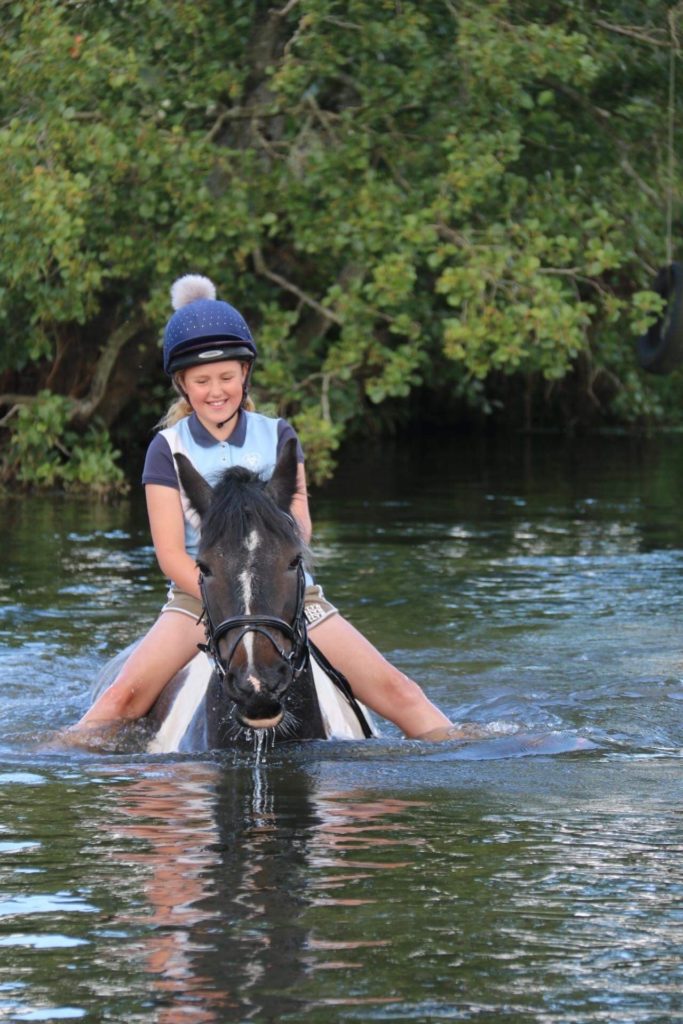
Fresh Water, Always
The simplest and most important starting point is water. Horses can drink significantly more in hot weather, particularly if they are sweating, make sure fresh, clean water is available at all times.
Check troughs and water buckets regularly throughout the day, especially if you have horses turned out in groups. Water can quickly become warm, dirty or run low in hot weather.
A useful tip is to offer water in more than one place where possible, particularly for older horses, field bullies and those who may be reluctant to walk far in the heat.
Think About Electrolytes
When horses sweat, they lose more than just water. Sweat contains important salts and minerals, known as electrolytes which help support hydration, muscle function and recovery.
This is where a good electrolyte supplement can be particularly useful. NAF Electrolytes are designed to help replace the essential body salts lost through sweating, making them a sensible addition during hot weather, harder work, travelling, or competition days.
Electrolytes are worth considering if your horse is sweating heavily, feels a little flat after exercise, or is working regularly through the warmer months. Always make sure your horse has access to fresh water when feeding electrolytes.
Adjust Your Riding Routine
During hot weather, it is worth adjusting your riding times to the cooler parts of the day. Early mornings and later evenings are usually far more comfortable for both horse and rider.
Try to avoid riding during the hottest part of the day, especially if the weather is humid or there is little breeze. If your horse does need to work, keep sessions gentler, allow plenty of walk breaks, and cool down properly afterwards.
After exercise, untack promptly, hose your horse down and offer water.
Cool Your Horse Down Properly
Cooling your horse effectively after work is essential in warm weather. Hosing with cold water will help bring the body temperature down, particularly over the large muscle groups, neck, chest and between the hind legs.
There is no need to scrape obsessively if you are continuing to apply more cool water. The key is to keep cooling until your horse’s breathing and temperature begin to settle.
Once cooled, move your horse to a shaded or well-ventilated area.
Make Shade a Priority
Whether your horse is stabled or turned out, shade matters. Horses living out should have access to natural shade, a field shelter, or somewhere they can get away from direct sun.
For stabled horses, good airflow is important. Open windows and top doors where safe, and avoid leaving horses in hot, stuffy boxes with little ventilation.
Some horses cope better being turned out overnight and brought in during the day when temperatures are at their highest, particularly if the stable is cooler and flies are a problem outside.
Support Recovery After Work
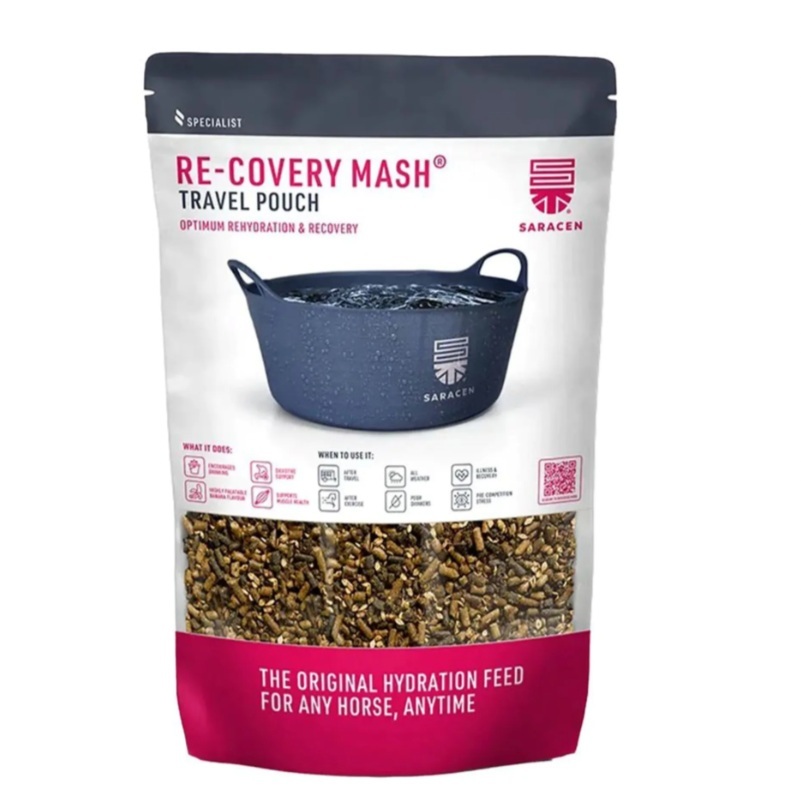
After a hot ride, training session, competition or long journey, horses may benefit from a tempting, hydrating feed to support recovery.
Saracen Re-Covery Mash is a great option to have on hand. Fed soaked, it can really help encourage fluid intake while providing a palatable post work feed. It is particularly useful after exercise, travelling, or competing, and can be a helpful way to tempt fussy drinkers when the weather is warm.
As with any feed feed according to your horse’s needs and workload.
Don’t Forget Salt
For horses in regular work, providing access to salt is also important. A salt lick in the stable or field allows horses to take what they need, although some horses use them more readily than others.
For those that do not lick enough, adding salt or electrolytes to the feed may be more effective, depending on the horse and the situation.
Travel Carefully
Travelling in hot weather needs extra planning. If possible, travel early in the morning or later in the evening, avoid long delays, and make sure your horsebox or trailer is well ventilated.
Offer water before and after travelling, and take water with you if you are heading to a show, clinic or event. Electrolytes and a soaked mash can be really useful as part of your travel routine, especially if your horse has sweated during the journey.
Know the Warning Signs
Heat stress can come on quickly, so it is important to know what is normal for your horse. Signs that a horse may be struggling in the heat include:
- Excessive sweating or not sweating when expected
- Rapid breathing that does not settle
- Lethargy or weakness
- Dark or reduced urine
- Staggering or appearing uncoordinated
- Refusing water or feed
- A raised temperature
If you are ever concerned, contact your vet promptly.
Summer Horse Care Essentials
Hot weather management does not need to be complicated, but it does require a little extra thought. Plenty of fresh water, shade, sensible exercise and careful cooling can all help keep your horse comfortable through the summer months.
At Forelock & Load, we stock summer horse care essentials including NAF Electrolytes and Saracen Recovery Mash to help support hydration and recovery during warmer weather.
Whether you are hacking, competing, travelling or simply managing horses at home, a little preparation and common sense goes a long way when it comes to beating the heat.


